
Running a holiday let can be rewarding, but it also comes with legal responsibilities. Understanding EPC requirements for holiday lets is part of that. Many owners still ask the same questions. Do you need an EPC? What EPC rating applies? And what do recent changes mean for you?
Your property’s energy performance affects running costs, guest comfort and how confidently you market your rental. Holiday rentals that perform well thermally bring two clear advantages: lower utility expenses and steadier year-round occupancy. We’ll clarify EPC, the main compliance concerns and show you how to verify your property meets current standards.
What Is an EPC, and How Does It Work??
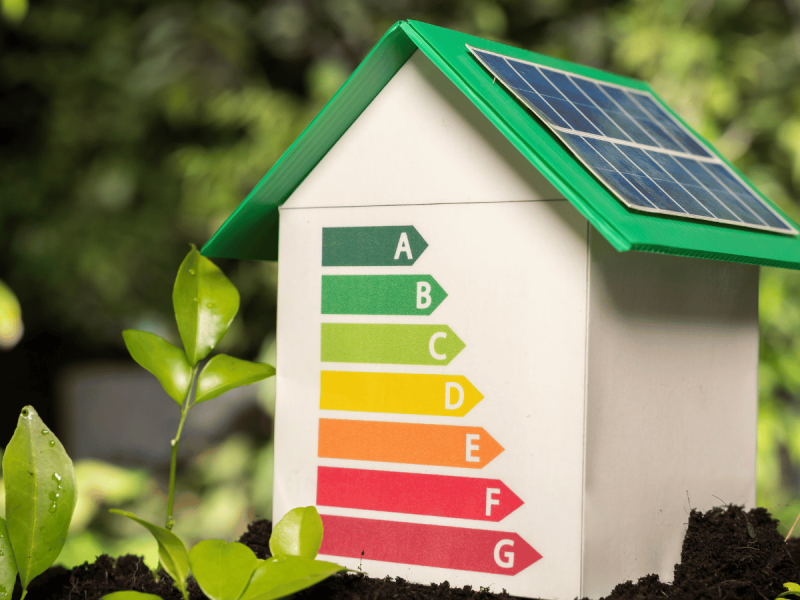
Energy Performance Certificates (EPCs) evaluate a building’s thermal efficiency and hold their validity for 10 years. The grading system runs from A at the top end (highly efficient) through to G at the bottom (minimal efficiency). It also estimates energy costs and carbon emissions and suggests ways to improve performance.
The assessment reviews insulation, heating systems and controls, lighting, glazing and overall energy consumption. Make sure to check the official EPC Register before you book a new assessment. This way, you can confirm whether your property already has a valid certificate.
Do Holiday Lets Need an EPC?
This is often a top question when getting a holiday let up to standard. If your property meets HMRC’s criteria for a furnished holiday let and is rented for at least four months in a 12-month period, an EPC is a legal requirement.
This usually means the property must:
- Be available to rent for 210 days each year
- Be let for at least 105 days at full market rates
- Not be rented in blocks of more than 31 consecutive days
If your holiday let requires an EPC (meets FHL definition and let for four or more months), it must also comply with Minimum Energy Efficiency Standards (MEES). This means properties cannot be rated F or G unless you have registered a valid exemption. However, if your property doesn’t require an EPC in the first place (e.g., landlord pays energy bills, let for <4 months), MEES regulations don’t apply.
How Do Holiday Lets Differ From Long-Term Rentals?
For now, holiday lets remain subject to a minimum rating of E. The policy focus for long-term rentals centres on protecting permanent tenants from high heating costs. Short-stay accommodation, however, is treated differently. Compliance still matters, but the regulatory direction is less aggressive. This can differ noticeably across locations; for instance, Scotland requires EPCs with no minimum rating currently.
What Could Change in 2026?
While minimum ratings remain stable, the EPC system itself is changing. So, what better time to double-check holiday let energy regulations? From October 2026, the government aims to introduce new-style certificates in England and Wales using a multi-metric format. Instead of one headline grade, assessments will show four separate measures: building fabric performance, heating system efficiency, smart readiness and projected energy costs.
For holiday let owners, this means the structure of the building becomes more visible. Investment in insulation, air-tightness and glazing may carry greater weight. Luckily, properties that achieve a C rating before October 2029 under the current system will remain compliant with future MEES requirements until that EPC expires.
What If You Can’t Reach an E Rating?
Don’t fret; there are some considerations when it comes to the rating system that can help prevent too many alterations at once. The regulations include practical limits; you are not required to spend more than £3,500 (including VAT) on improvements. If recommended works exceed that amount, you must complete what you can within the cap. You then register an appropriate exemption with local authorities through the PRS Exemptions Register.
Common exemptions apply where:
- Costs exceed the cap
- Structural limits prevent wall insulation
- Third-party consent is refused
Most exemptions last five years and require supporting evidence.
Improving Energy Performance in Practical Terms
Your EPC report will outline recommended upgrades and estimated savings. Some EPC requirements holiday lets should prioritise:
- Lower-cost measures: LED lighting, draught proofing and better cylinder insulation.
- Larger upgrades: Loft insulation, modern boilers or improved glazing
For owners focused on Airbnb energy efficiency, these improvements support both compliance and performance. They reduce operating costs and create a property that feels warmer and more reliable. Lower energy consumption also protects margins when utility prices rise.
Why Energy Performance Matters Commercially
Even though efficient energy performance is an important part of letting, guests may not choose a property based on its EPC score alone. A well-insulated property that heats efficiently tends to receive stronger reviews and perform better outside peak season.
Instead of simply listing your rating, explain what it means. If you highlight consistent heating, lower running costs and reliable comfort, guests are more likely to feel confident in booking. Strong energy efficiency holiday lets are easier to let consistently, and compliance protects you legally.
Keep Compliance Under Control With Support
Energy rules sit alongside gas safety checks, electrical certification and wider licensing duties. Managing these while running a busy rental property can take time. Professional holiday let management ensures nothing is missed. From compliance management to ongoing client support, our EasierManagement team is the business partner you deserve. We help keep your property compliant and commercially positioned.
If you are unsure about your current energy performance, we can provide clarity and help you better position your holiday let in the South West market. Contact us, and our friendly team will assist with any questions and help set up a free valuation.